My photo
Melbourne, VIC, Australia
Showing posts with label Tasmania. Show all posts

Monday, August 18, 2008

Tasmania


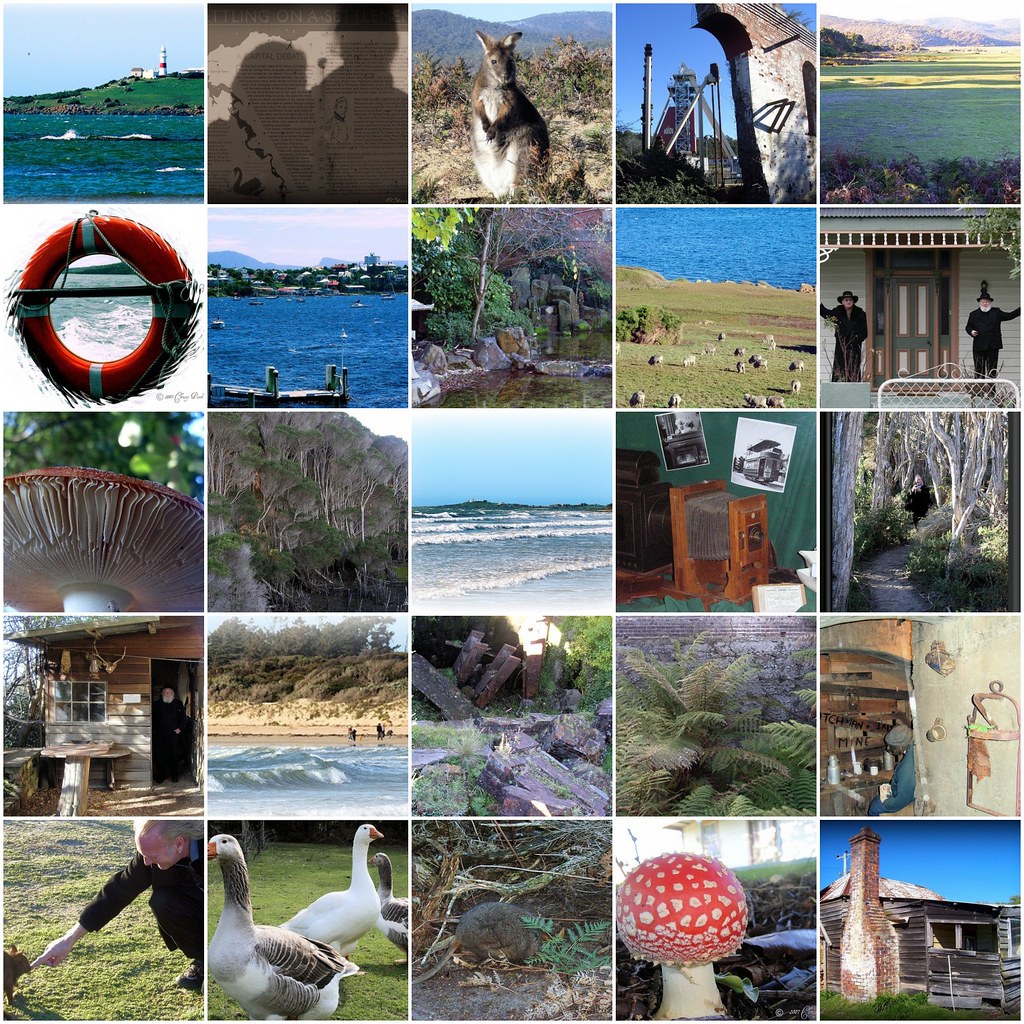
1. Lighthouse at Low Head - Tasmania, 2. Settling on Shadows, 3. Bennetts wallaby at Narawntapu National Park - Tasmania, 4. Beaconsfield Gold Mine Shaft, 5. Marsupials Grazing, 6. 'O', 7. Jetty, 8. Meditate, 9. 'Seaside Sheep', 10. Welcome Stranger, 11. Macro Mushroom in Tassie, 12. Tall Teatrees, 13. A Perfect Day, 14. Photography - Of Old, 15. Narawntapu Nat Pk - Peter in Teatree Forest, 16. The Old Miners Cabin, 17. Greens Beach, Tasmania, 18. Neglected, 19. Forgotten, 20. The Miner, 21. Peter and Pademelon, 22. Goosey Goosey Gander - Whither shall I wander?, 23. Shy Pademelon, 24. ♠ Macro Mushroom ♠, 25. Rustic

Here are a few photos I took while visiting my dad in Tasmania. If you click on the link to the photos above you will find out much more information about them along with links to the various places and attractions I have been to.

Saturday, July 19, 2008

Beaconsfield Gold Mine Shaft

Took this photo in 2007 when I visited The Beaconsfield Grubb St Historical Gold mine Museum.

I liked the old rustic look of the wall and the window arches.

The Grubb Shaft Gold and Heritage Museum is adjacent to the Beaconsfield Gold Mine, which you can see from a viewing platform.

This is the site where, in April 2006, a rock fall trapped three miners one kilometre underground. Miner Larry Knight was tragically killed, and the subsequent rescue of Brant Webb and Todd Russell, who remained trapped for 14 days, became known worldwide as the ‘Great Escape’.

The Grubb Shaft Gold and Heritage Museum is located at Beaconsfield, northern Tasmania.

The Museum is located within two restored heritage buildings on the site of the 19th century Tasmanian gold mine. The rich Tasman reef was discovered here in 1877, and until its closure in 1914, the mine produced gold worth AUD450 million in today’s value. The museum features an extensive collection of mining memorabilia, artefacts and machinery.

Explore the Grubb Shaft Mine; see the iron smelter, water wheel and working model of the mine's dewatering pump, one of the largest of its kind in the southern hemisphere. You can also visit the miner's cottage, local store and the old Flowery Gully School.

Beaconsfield is a 30-minute drive north of Launceston (43 kilometres/27 miles) in the Tamar Valley.

Thursday, July 17, 2008

Low Head Lighthouse

This photo was taken from Greens Beach looking across at the Low Head lighthouse in the distance.


Quite picturesque I thought and I was happy with how I captured the rolling waves.

More information about Low Head in Tasmania

Low Head Lighthouse


Thursday, July 10, 2008

'Seaside Sheep'

Photo taken at George Town, Tasmania

It is a very picturesque township with lots of opportunities for some great landscape and nature shots.

George Town sits on the eastern banks of the Tamar River about 40 minutes’s drive (50 kilometres/32 miles) north of Launceston. It is the third oldest settlement in Australia after Sydney and Hobart.

At nearby Low Head you can explore one of the best-preserved examples of an early pilot station, built by convicts in 1805. The pilot station is still in operation today. Also, from Low Head you can take a penguin tour to see the world’s smallest penguins clamber to their nests each night.

To the east are the vineyards of Pipers River, and the Bridestowe Lavender Farm.

Just south of George Town along the shores of the Tamar River is the deep-water port of Bell Bay and as you follow the A8 Highway you can stop by the Lavender Garden at Rowella, and the Hillwood Strawberry Farm.

More information about George Town, Tasmania

Learning Photography with Neil Creek:

Neil Creek's Blog

Wednesday, June 11, 2008

Walking with Wallabies & Wombats

While in Tasmania in June 2007, Peter and I went to the Narawntapu National Park.
I was really lucky to get so many great photo's of our short but adventurous visit to the Park.


The Narawntapu National Park is a place of peace for people and wildlife alike and offers a wide diversity of habitats for both plants and animals, Narawntapu is an ideal park for the study of nature. Dusk is the best time to observe the many native marsupials that live in the park and come out to graze on the grasslands. Commonly seen are large Forester kangaroos, Bennett's wallabies, Pademelons and Wombats.'
Read the full article here: